
Chalk streams, sunshine hours and older housing stock.
The three things that actually shape a solar quote here, beyond the postcode.
The Test and the Itchen.
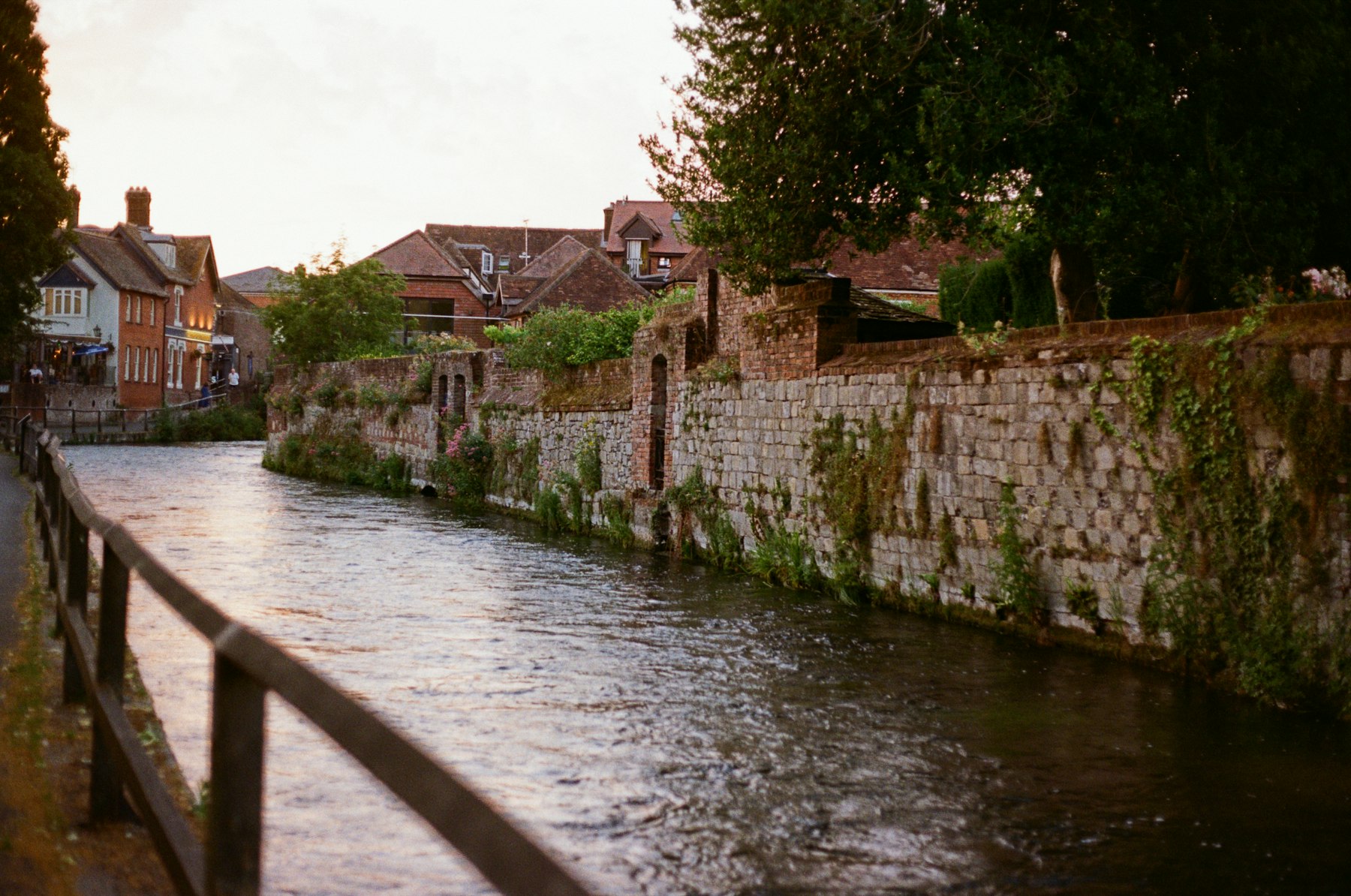
Chalk streams are a globally rare habitat, fed by mineral-rich water filtered clean through chalk bedrock rather than run-off. There are only around 200 of them in the world, and England holds roughly 85%. Hampshire’s Test and Itchen are among the most famous, regarded as the birthplace of modern fly fishing, with Winchester’s water meadows and Romsey’s riverside streets both built around the Itchen and its tributaries.
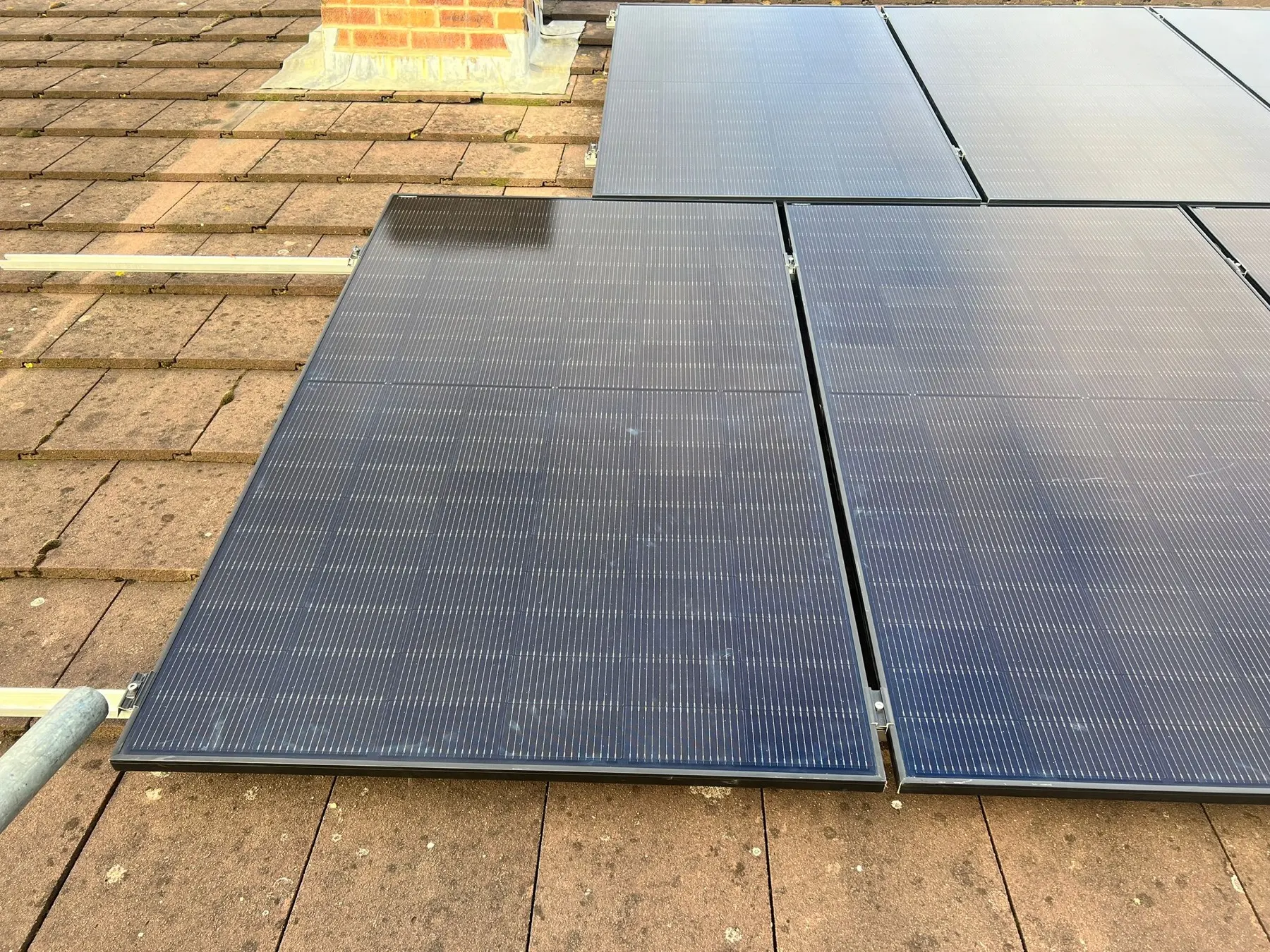
It’s not directly a solar statistic, but it says something about the county: clean water, chalk downland and a landscape that’s stayed largely rural, which is exactly the kind of setting where a ground-mounted array can make as much sense as a roof. Southampton’s 1,706 sunshine hours a year also sit comfortably above the UK average of around 1,400, so a well-sited Hampshire roof is generally a strong solar candidate before you even get to roof shape or orientation.
Ancient woodland, protected views.
The New Forest has been a royal hunting forest since the 11th century and became a National Park in 2005, covering around 219 square miles of Hampshire’s south-western edge. Properties inside the National Park boundary, and in the surrounding conservation areas, are the main exception to permitted development for solar we come across locally. Villages like Lyndhurst, Brockenhurst and Beaulieu sit right inside that boundary, alongside working commons still grazed by New Forest ponies under ancient grazing rights.
If your property falls inside the boundary we’ll flag it at the enquiry stage, before a survey, so there are no surprises about what needs planning permission. Most straightforward roof-mounted arrays are still permitted development even inside the park, it’s ground-mounted systems, larger installations and listed buildings that are more likely to need a planning application.